


UC Davis expands care for homeless pet owners
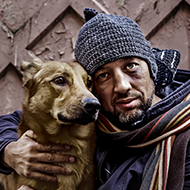
The new PAW clinic will provide quality veterinary care to the pets of homeless people living in the Davis community.
A new clinic offering veterinary services to the pets of the homeless has been opened by the University of California, Davis, School of Veterinary Medicine.
Run by volunteer faculty members and students, the new Davis Pet Advocacy and Wellness (PAW): A Clinic for the Pets of the Homeless promises to provide quality veterinary care to those experiencing homelessness in the Davis community.
Davis PAW is a satellite of the Sacramento-based Mercer Veterinary Clinic. Since its launch in November, the centre has already hosted two clinics and hopes to continue on a monthly basis.
As well as providing a valuable service to the community’s homeless populations, UC Davis said that PAW will also provide students with hands-on experience and a basis for research into the pets of homeless people.
Dr Janet Foley, Davis PAW’s faculty advisor, commented: “The Davis community is our home, so it’s important for the veterinary school to provide this service beyond Sacramento.
“It has always been important for me to give to the community. I have volunteered with homeless shelters over the years, but not in a veterinary capacity. Given my skillset as a veterinarian, this is the best way for me to give back to Davis.”
The Davis PAW team consists of volunteer veterinary surgeons, veterinary students, and community members working in collaboration with the City of Davis. Among their services include physical exams and consults, core vaccinations, parasite prevention and ear cleaning.
Veterinary student Jordan Nunes, who participated in Davis PAW’s December clinic, said: “We recognize how strong the human-animal bond is between the homeless and their pets, and we want to ensure that those pets receive proper care.
“I definitely feel more connected to the community working at the clinic, and the experience gained here will certainly help toward my career goals of being a general practitioner and clinic owner.”

 BVA has announced a new series of its Building Great Workplaces lunchtime webinars.



