


Wales to ban third-party puppy and kitten sales
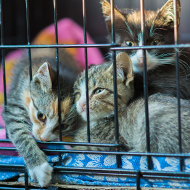
The legislation would prohibit the sale of puppies and kittens until they are at least eight weeks old.
The RSPCA has cautiously welcomed new legislation designed to end third-party puppy and kitten sales in Wales.
Under the proposed legislation, pet sellers in Wales would be required to meet minimum animal welfare standards for the first time. This includes a new licensing scheme for pet sellers, establishing that puppies or kittens under six months of age - and not bred by the licence holder - cannot be sold.
The legislation would also prohibit the sale of kittens, puppies, rabbits and ferrets until they are at least eight weeks old, and authorities across Wales will be required to supply more data about the number of licensed premises in a locality.
In light of the new rules, the RSPCA is seeking assurances that rescue centres will be exempt, so they can continue to rehome rescued animals. The charity has also expressed concern that the regulations do not address potential loopholes, such as third-party sellers reinventing themselves as rescues.
RSPCA head of public affairs, David Bowles, said: “Wales is the centre of dog breeding in the UK, many of which are bred under poor existing standards, so we welcome the law which mandates anyone who commercially sells an animal has to meet minimum welfare standards.
“Poor breeding and rearing conditions, unnecessary transportation and being taken from mothers too early is sadly a grim reality for many pups and kittens - and banning third-party selling will be an important event in stopping these young animals from being subjected to such situations.”
He continued: “We welcome the commitment for local authorities to publish data about licenced sellers in their area - a first in the UK. The annual renewal of licences will mean regular checks on premises and more information than ever before about the numbers that are selling pets for profits in different parts of Wales. Enforcement will be key to ensure this law raises animal welfare standards, particularly for dog breeding, across Wales.
“However, we're seeking clarification that rescue centres - who often save pups and kittens from situations of neglect, cruelty and abuse - will be exempt from this ban; so animals rescued can be rehomed once it is safe and appropriate to do so.”
With members of the Senedd expected to vote on the law in the coming weeks, the RSPCA is calling on ministers to consider plans similar to those being proposed in Scotland. These plans aim to deal with existing third-party sellers from reinventing themselves as rescues and exploiting a potential loophole in the legislation.
Mr Bowles added: “We look forward to working with the Welsh Government, Members of the Senedd and local authorities ahead of and after the vote on this new law. It is expected to come into force in September, in what will be the latest step in what must be a wide-ranging and holistic journey in improving the welfare of puppies and kittens in Wales.”


 BVA has announced a new series of its Building Great Workplaces lunchtime webinars.



