


Vets urge vigilance after EHV-1 outbreak in Spain
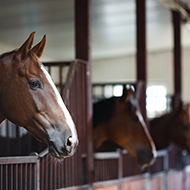
EHV-1 spreads among horses through close contact and coughing.
Horse owners and returning competitors are being urged to take every precaution possible to prevent the spread of equine herpes virus-1 (EHV-1) following an outbreak in Spain.
The British Equine Veterinary Association (BEVA) said the virus, which has been spreading at showjumping events in Valencia, is now responsible for outbreaks in Europe and the Middle East.
David Rendle, chair of BEVA’s Health and Medicines Committee, said: “The consequences of this outbreak have been devastating and understandably, there is anxiety that horses returning to the UK may be carrying the virus and infection may spread back in the UK.
“To prevent this from happening, it is essential that returning competitors comply with the quarantine plans that have been put in place by British Showjumping. If returning horses are quarantined effectively, and ideally screened using suitable laboratory tests on their return, then the risk to the wider UK equine population is very small.”
He continued: “British Showjumping and the BEF have acted swiftly and responsibly with support from BEVA to put controls in place. Assuming that everyone continues to act responsibly and follow the advice, then the risk of this fatal disease spreading among UK horses will be minimised.”
EHV-1 is a fatal disease that spreads among horses through close contact and coughing. The virus can be transmitted via clothing or other objects, but it is more likely to spread between horses within stables and enclosed buildings.
According to the latest FEI update, there have been 11 equine fatalities related to the EHV-1 outbreak in Spain. Two of these deaths occurred at the venue in Valencia, five in a veterinary hospital in Valencia, two in Barcelona, and two in Germany.
Other countries with confirmed cases are Belgium, France, Italy, Qatar, Sweden and Switzerland. For more about preventing the spread of EHV, visit britishshowjumping.co.uk


 Defra has published guidance for the vet sector ahead of a proposed UK-EU Sanitary and Phytosanitary agreement.



