


UK EHV-1 risk ‘nearing normal levels’
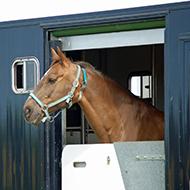
EHV-1 spreads among horses through close contact and coughing.
British Equestrian (BEF) has issued an important update on the equine herpes virus (EHV-1) outbreak circulating within Europe.
On Wednesday (7 April), the Federation said that EHV-1 risk in the UK is 'nearing normal levels'. However, equine health certificates will be required for UK gatherings ‘for the foreseeable future’.
It said its Infectious Diseases Action Group (EIDAG) had considered data over the last three years, concluding that the risk level ‘is now dropping towards the baseline number of cases seen in any other year’.
Welcoming the news, BEF chief executive Jim Eyre said: “We know that EHV is endemic in this country, but the threat posed by the European outbreak was a cause for great concern. I’d like to thank the member bodies and all their riders, owners and grooms, who embraced and followed the protocols so readily and with such commitment."
EHV-1 is a fatal disease that spreads among horses through close contact and coughing. The virus transmits via clothing or other objects, but it is more likely to spread between horses within stables and enclosed buildings.
The recent outbreak, which originated at a showjumping event in Valencia, has so far claimed the lives of 18 horses across Europe and led to the cancellation of several international events.
A BEF spokesperson said: “The EIDAG encourages event organisers to continue to request that competitors complete a self-certification of equine health and freedom from disease contact form. However, the group anticipates that by 12 April, it may be possible to remove the current restriction that, to attend UK horse gatherings, horses must have been resident in this country for the last 28 days.
“A new template will be circulated to British Equestrian’s member bodies to remove this restriction after 12 April, providing that the current disease risk level continues to fall.”


 Defra has published guidance for the vet sector ahead of a proposed UK-EU Sanitary and Phytosanitary agreement.



