


Partnership to highlight strength of human-animal bond
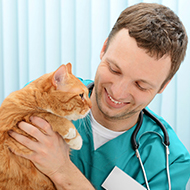
HABRI and WSAVA will promote the science of the human-animal bond and the veterinary profession's role in animal welfare and human wellbeing.
The Human Animal Bond Research Institute (HABRI) and the World Small Animal Veterinary Association (WSAVA) have joined forces in a bid to promote the human-animal bond and the health benefits of interacting with pets.
It comes after survey findings released by HABRI show that 92 per cent of pet owners were more likely to maintain their pet’s health if they were aware of the human health benefits of pet ownership. The survey of US pet owners also revealed that 89 per cent were more likely to maintain their pet’s health through regular check-ups with a vet.
Through the partnership, HABRI and WSAVA will promote the science of the human-animal bond and the veterinary profession’s role in animal welfare and human wellbeing. The WSAVA is also represented on the Advisory Committee which contributes to the development of HABRI’s online Human Animal Bond Certification Course.
Past WSAVA president Dr Shane Ryan said: “Caring for an animal companion provides benefit not only for the animal itself in terms of its health and welfare needs but can have many positive benefits for the owner.
“This mutually beneficial relationship, with a shared lifestyle and environment, forms the basis of the human-animal bond. Partnering with HABRI will help WSAVA provide veterinary practitioners everywhere with further resources to ensure the veterinarians continue to play an essential role in maintaining the resilience of this bond.”
HABRI president Steven Feldman added: “Veterinarians are uniquely positioned as trusted resources for pet owners who are more attuned to their pets’ health needs than ever before. HABRI is proud to join with WSAVA to help veterinarians connect with their clients and share scientific information about the human-animal bond.”


 Eligible members of BEVA will be able to vote for their Council team until Monday, 17 August 2026. Members will have received an election email on 17 July.



