


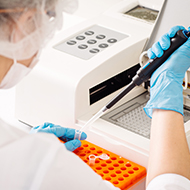
New analytics tool launched by the BSAVA to support PPS update.
The BSAVA has launched a new lab method performance verification help tool to support the new updates to the RCVS Practice Standards Scheme (PSS).
Run by the RCVS, the PSS is a voluntary quality assurance scheme for veterinary practices. The BSAVA has been working with the PSS to introduce a new voluntary standard into the PSS scoring scheme which recognises practices seeking the determine the performance of their own laboratory analysers.
Practices must demonstrate how they have verified manufacturers' claims for automated analyser performance under the new standard, or alternatively demonstrate how they have determined the limitations of their laboratory methods. In order to meet the standard, practices must acquire data from their own analysers which is entered into the new BSAVA Lab Method Performance Verification Tool.
Developed by practitioners and specialists to ensure ease of use, the new lab method verification help tool automatically calculates the total observed error for each analyte, and compares the value for the in-house analyser against the recommended maximum total allowable error. The tool also determines whether more sensitive CQ strategies are required to monitor the performance of the analyser and detect analytical errors at an earlier stage.
Co-author of the new tool, and senior lecturer in Clinical Pathology, Tim Williams, said: Many, if not most, small animal practitioners will be using some sort of in-clinic analysers on a daily basis to measure blood concentrations of cells or biochemical markers such as glucose or creatinine to support decisions about their patients. Consequently, it is important to know whether the laboratory equipment they use to support diagnostic decision making is fit for that purpose. Many practices will perform quality control checks on their in-house analysers, however sometimes the ‘target range’ provided is too wide to detect clinically relevant analytical errors.”
Peter Graham, clinical associate professor in Clinical Pathology and Endocrinology, added: “The new voluntary standard will be worth 10 points towards the Award in Diagnostic Services in the PSS, although we would encourage all practices to perform this sort of validation on their in-house analysers, whether or not they intend to try to achieve this new standard.
“By performing these checks and ensuring that your in-house analyser is able to tell you what you need to know, practitioners can be assured that the results they obtain are valid, and therefore feel more confident in their clinical decision making.”
Krista Arnold, the honorary secretary at the BSAVA, concluded: “As a general practitioner, I am thrilled to have access to such an easy-to-use tool that improves trust and confidence in my in-house laboratory results.”
The new verification tool is part of the PSS' five year review update, which includes revisions to a number of requirements focussed on clinical governance, staff health and wellbeing, and the role of veterinary nurses.
The tool, along with instructions for use, is freely available via the BSAVA library here: bsavalibrary.com/content

 BVA has announced a new series of its Building Great Workplaces lunchtime webinars.



