


The study argues for an alternative solution in food safety systems.
Researchers at the RVC, Griffith University, and a wildlife trade NGO – TRAFFIC, have untaken a recent study, which suggests that existing systems for food safety, rather than broad bans on the wildlife trade, are crucial to preventing future pandemics.
The study was led by Dr Duan Biggs from the Centre for Planetary Health and Food Security at Griffith University, along with Professor Richard Kock, professor of Wildlife Health and Emerging Diseases at the RVC, and James Compton, who is the project leader at TRAFFIC.
Published in Lancet Planetary Health, the research suggests that a solution to the disease risk in the wildlife trade is through prioritising extending existing food health safety systems over bans on the trade.
The study argues for the impracticality of blanket bans on the wildlife trade, with the unsustainable nature of a ban, combined with the consequences on those whose livelihoods are dependent on the trade.
Dr Duan Briggs said: “The wildlife trade is suspected to have played a role in the appearance and spread of new potentially dangerous diseases including COVID-19. In response, many organisations have called for a global ban of the trade and consumption of wild animals by humans.”
“Bans in wildlife trade in response to previous disease outbreaks like Ebola have been short-lived and unsustainable, and in many ways increase disease risk as trade is forced underground. Targeted Bans have their place and value, but alternatives also need to be sought.”
Professor Richard Kock added: “Identifying source pathogens for new human diseases is like finding a “needle in a haystack” and we need innovative preventive practices so we don’t need to find them. We have a pretty good system in place for reducing risks of disease from animal based food from domestic species, but wildlife-based food and products is inadequately managed, so incorporating current models into this trade is just common sense.”
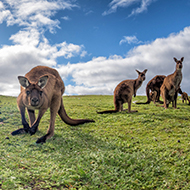
Image (C) Gregory Moine


 Defra has published guidance for the vet sector ahead of a proposed UK-EU Sanitary and Phytosanitary agreement.



