


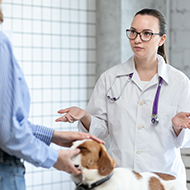
BVA reminds pet owners to trust and respect their veterinary team.
More than half of vets working in clinical practice have experienced intimidation from animal owners in the past year, it has been revealed.
BVA’s Voice of the Veterinary Profession survey found that 57 per cent of vets have felt intimidated by clients’ language or behaviour over the past year, a rise of 10 per cent since the same question was asked in 2019.
The survey of 825 professionals across the UK also found the problem was particularly pertinent for small animal vets. A staggering 66 per cent said they had received abuse or been on the receiving end of aggression or threatening behaviour from pet owners.
While many respondents acknowledged their clients had complied with coronavirus measures, some vets reported others refusing to wear masks, carry out social distancing or pay for their animal's treatment.
Commenting on the findings, BVA president James Russell said: “It’s simply unacceptable that any veterinary professional should have had to deal with threatening behaviour and abuse just for doing their job during a global pandemic. "Veterinary teams have worked flat out over the past year to prioritise the animals in their care and had to adapt their working arrangements incredibly quickly to keep colleagues and clients as safe as possible.”
BVA’s survey also found that nurses and receptionists bore the brunt of complaints, unreasonable demands and aggressive behaviour during the pandemic.
Around 82 per cent of respondents said they were aware of colleagues who had experienced intimidating language and behaviour from clients - up from 75 per cent in Autumn 2019.
Several vets also reported having to lock receptions and call out the police in the face of threats of physical violence from aggravated clients.
Mr Russell added: “It’s simply unacceptable that any veterinary professional should have had to deal with threatening behaviour and abuse just for doing their job during a global pandemic. Veterinary teams have worked flat out over the past year to prioritise the animals in their care and had to adapt their working arrangements incredibly quickly to keep colleagues and clients as safe as possible.
“We recognise that tempers can run high at times of anxiety and uncertainty, especially when the health of a much-loved pet is also in the mix. But as restrictions ease, we’d remind everyone to please trust your veterinary team, respect their decisions, and understand that they are trying to do the best they can for your animal’s health and welfare.”


 BVA has announced a new series of its Building Great Workplaces lunchtime webinars.



