


Anifera to conduct additional bovine mastitis studies
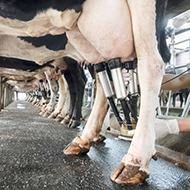
Mastitis costs the global dairy industry an estimated 32 billion USD a year.
Animal health firm Anifera has announced plans to conduct additional studies to explore the impact and effectiveness of adjunct therapy in bovine mastitis.
Bovine mastitis is a common disease of dairy cattle that causes inflammation of the udder tissue. The condition is considered to be the most common cause of economic loss for cattle farmers worldwide, owing to reduced milk yield and lower milk quality.
In a press release, Anifera states the new studies will 'build on promising data in bovine mastitis' and have been made possible following 'substantial investment' by Stonehaven Incubate – one of Anifera's co-founders.
The company is developing compounds that can improve the efficacy of antibiotics, with the ultimate aim of reducing their use in animals. Anifera’s small molecule compounds seek to potentiate the effects of the antibiotic through a unique mechanism of action.
“We have seen very encouraging results in early studies focused on bovine mastitis, utilising our lead compound as an adjunct therapy to a commercial intramammary antibiotic,” commented Dr Gwynneth Thomas, CEO of Anifera.
“We look forward to moving ahead with additional development work aimed at further exploring improvements in the efficacy of existing antibiotics when used in combination with our compound, helping to advance sustainability in animal health.”
According to figures published by Anifera, mastitis costs the global dairy industry an estimated 32 billion USD a year. With increasing concerns about restrictions on the use of antibiotics in farm animals, the firm hopes its approach “could help improve health and productivity for dairy farmers worldwide.”
“Anifera has the potential to pioneer new ways of treating bovine mastitis, offering immediate financial and welfare benefits to dairy farmers,” said Jarne Elleholm, CEO of Stonehaven Incubate.
“We are committed to helping Anifera advance these important studies and drive innovation to improve the efficacy of antibiotics. We share their goal of ultimately reducing the usage of antibiotics in disease states across animal health where they are the first line of treatment.”


 Defra has published guidance for the vet sector ahead of a proposed UK-EU Sanitary and Phytosanitary agreement.



