


Consultation launched on the reintroduction of beavers in England
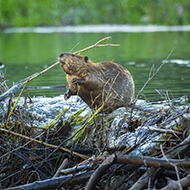
The Government has also announced plans to give beavers legal protection in England.
The UK Government has launched a landmark consultation seeking views on the reintroduction of beavers in England.
It comes after a successful five-year trial of beavers in Devon, which brought a wealth of benefits to the local area and ecology, including reducing flood risk for housing downstream, enhancing the environment and creating wetland habitat.
The consultation will run for 12 weeks and is seeking views on potential future releases into the wild, current and future releases into enclosures, and the management of beaver activity.
On announcing the consultation, environment secretary George Eustice said: “We are committed to providing opportunities to reintroduce formerly native species, such as beavers, where the benefits for the environment, people and the economy are clear.
“Today marks a significant milestone for the reintroduction of beavers in the wild, with the launch of the Government’s consultation on our national approach and management of beavers in England. But we also understand that there are implications for landowners, so we are taking a cautious approach to ensure that all potential impacts are carefully considered.”
In addition to the consultation, the Government has also announced plans to give beavers legal protection in England to support their recovery. This status will make it illegal to deliberately capture, kill, disturb or injure beavers, or damage breeding sites or rescue places.
Natural England chair Tony Juniper said the consultation marks a positive step for the future of beavers in England.
“Beavers are not only fascinating creatures in their own right but are also ecosystem engineers that will play a key role in restoring and linking habitats, in the process bringing many environmental benefits, like we have seen in the highly successful River Otter trial in Devon – hugely positive transformations, including the creation of wetland habitat, improving water quality and smoothing flood peaks,” he said.
“I encourage everyone to respond so that the way we shape the future of wild Beavers reflects as many perspectives as possible.”


 Defra has published guidance for the vet sector ahead of a proposed UK-EU Sanitary and Phytosanitary agreement.



