


Discussing the future of veterinary nursing
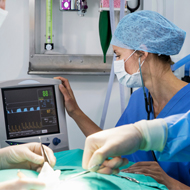
Imagining change: could the use of different imagery on websites and TV raise public awareness of the VN role?
The VN Futures Board hosted a Fringe Event on Saturday (2 October) at the BVNA Congress in Telford to showcase the achievements of the project so far and to explore how far the VN Profession has already come.
VN Futures is a joint RCVS and BVNA project resulting from the Veterinary Futures Initiative. The project aims to encourage more people to join the profession, enhance the role of the veterinary nurse and offer more opportunities for career progression.
It comes after the RCVS announced the publication of the VN Futures Interim Report 2021, which provides an overview of the project's achievements over the past five years and a summary of its initiatives.
Attended by delegates both in-person and online (via live stream), the Fringe Event took the form of a general discussion, with delegates given the chance to talk in small groups about the outcomes of the report and how their career has progressed since they graduated.
On hand to talk to delegates were Jill Macdonald (VN Futures project manager), Alex Taylor (incoming BVNA president), Charlotte Pace (incoming BVNA junior vice president), Belinda Andrews-Jones (VN Council member), and Matthew Rendle (chair of VN Council).
The range of topics and questions discussed included -
- How can veterinary nurses encourage vets to delegate more?
- What part of your training prepared you best for the role?
- How can veterinary nurses raise public awareness of the VN role?
- What environmental policies has your practice implemented, and what else can you do?
Some delegates felt that the image of the veterinary profession has been somewhat tarnished by reports in mainstream media, with one nurse stating 'the image of the profession is not in a good place publicly, let alone in the nursing profession.'
How RVNs are depicted on practice websites and television can also be part of the problem, said another delegate. With the public only seeing images of vet nurses holding cute, fluffy animals and not monitoring anaesthetic or getting a blood sample, for example.
On environmental policies, one group of delegates said their practice had introduced recycling bins and signs to show what items can and cannot be recycled. Creating wildlife-friendly areas outside the practice, switching lights off when leaving rooms and having a dedicated PPE waste bin (so that PPE gets incinerated rather than ending up in landfill) were also mentioned.
Other points raised concerned the availability of eductaional handouts and ensuring that information is made available to clients online rather than in the traditional pamphlet form. One delegate raised the idea of putting a small team in charge of environmental policies at your practice, while another suggested schemes such as Terracycle to recycle PPE.
The session is the first of two VN Futures Fringe events happening at the BVNA Congress this weekend. On Sunday (3 October), delegates will convene again to discuss future projects for veterinary nursing and where efforts should be focussed.


 Defra has published guidance for the vet sector ahead of a proposed UK-EU Sanitary and Phytosanitary agreement.



