


RCVS seeks views on proposed VN professional requirements
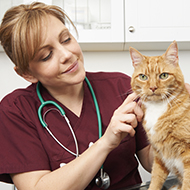
“We welcome views and feedback on the requirements from all sectors of the veterinary professions" - Julie Dugmore, RCVS director of veterinary nursing.
Veterinary professionals are being asked to submit their views on the future of how student veterinary nurses are educated and trained.
The RCVS’ Review of Day One Competences, Skills and Professional Behaviours for Veterinary Nurses launched on Wednesday (10 November), forming part of the College’s commitment to continually review its requirements for newly-qualified VNs.
Reviews ensure that veterinary nurses remain up-to-date and reflect the standards and expectations of current veterinary nursing practice. Those completing the consultation will be asked to comment on the following proposed new set of requirements:
Day One Competences: the minimum essential competences that the RCVS expects all student veterinary nurses to have met when they register, to ensure that they are safe to practise on day one, in whichever area of the profession they start to work.
Day One Skills Lists: the essential clinical skills, based on the RCVS Day One Competences for Veterinary Nursing, that veterinary nurses are expected to possess upon entering clinical practice. The Day One Skills List is subdivided into skills related to the care of horses and other Equidae, and those relating to small animals.
Professional behaviours and attributes: this encompasses the behaviours newly-qualified veterinary nurses are expected to demonstrate upon entering the profession and includes communication skills and understanding of the legal & ethical frameworks for veterinary practice.
Julie Dugmore, RCVS director of veterinary nursing, commented: “With this consultation, we want to gain an effective representation of what the professions desire from future RVNs in terms of their range of skills and knowledge and professional behaviours from their first day in clinical practice.
“Any feedback we receive on the proposed new requirements will be vital in helping to ensure that student vet nurses receive the appropriate education and training and that our RVNs are fully prepared and armed with what is necessary to thrive in and add value to current veterinary clinical practice.”
She added: “We welcome views and feedback on the requirements from all sectors of the veterinary professions including clinical coaches, veterinary nursing educators, student veterinary nurses, veterinary surgeons, practice managers and other members of the veterinary team.”
The proposed requirements have been in the works since November 2019, following visits by the RCVS Veterinary Nursing Department to training colleges across the UK. During these visits, the Department met with student veterinary nurses, clinical supervisors, internal and external quality assurers, and lecturers to discuss potential changes to the current requirements.
In April 2021, a working group was set up, chaired by Matthew Rendle as Chair of VN Council, which featured representation from small animal and equine veterinary nurses, students, educators, and clinical supervisors.
Further meetings were held during the summer of 2021 with veterinary nursing educators, allowing the first opportunity for those delivering and assessing the requirements to consider their relevance, currency and usability. Feedback from these sessions has been reviewed by the working group, who have now agreed to the proposals within the consultation.
Responses will be reported to the working group, which will then have a final opportunity to amend and agree to the proposals, before being submitted to VN Council for consideration. The aim is that VN Council will agree to the new version of the requirements in its February 2022 meeting.
The consultation remains open until 5 pm on Wednesday 22 December 2021.


 BVA has announced a new series of its Building Great Workplaces lunchtime webinars.



