


Stem cell approach 'more ethical' in pig infection study
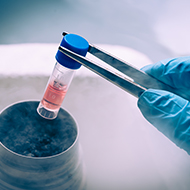
"This novel technique could help improve understanding of how infectious agents interact with the immune system of farmed animals" - Dr Stephen Meek.
New research by the University of Edinburgh's Roslin Institute has suggested that a stem cell approach is more affordable, practical and ethical than standard approaches for research into pig infections.
Using immune cells produced from stem cells will allow investigations access to an unlimited amount of macrophages, a type of immune cell, which can easily be manipulated and infected by viruses and bacteria for study.
In reducing the necessity of animals in research, and replacing the conventional procedure using macrophages extracted from slaughtered animals, researchers say that the stem cell approach is more cost-effective.
The stem cell approach could be used to produce virus for the development of live vaccines against diseases such as African swine fever.
Dr Tom Burdon, senior research fellow at the University of Edinburgh, said: “Macrophages are the first line of defence against infection, but in some cases pathogens target these cells and destroy them.
“It is not yet understood how that happens. We found that viruses replicated efficiently in macrophages derived from stem cells, showing that these cells are a great approach to learn about interactions between pig genetics and the biology of viruses or other pathogens.”
Dr Stephen Meek added: “This novel technique could help improve understanding of how infectious agents interact with the immune system of farmed animals, which ultimately can contribute to prevent disease spread and pandemics, improve animal welfare, and reduce the use of animals in research.”


 Defra has published guidance for the vet sector ahead of a proposed UK-EU Sanitary and Phytosanitary agreement.



