


APHA launches avian influenza licensing service
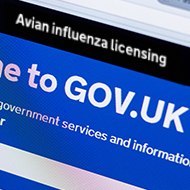
The new service enables individuals to check the status of their application or download issued licences.
The Animal and Plant Health Agency (APHA) has launched a new avian influenza licensing service that will exempt individuals from current disease control restrictions.
Applicable across England, Scotland and Wales, the licence covers movement or activity within the current disease control zones not covered by a general licence. The service also enables individuals to check the status of their application, add further information in support of an application, or download issued licences.
It comes after highly pathogenic avian influenza H5N1 was confirmed at a premises near Bishop’s Waltham, Hampshire, bringing the total number of confirmed cases in England to 76. There have also been six cases of the disease in Scotland and a further three in Wales.
Under rules introduced across the UK in November 2021, keepers of poultry or other captive birds must keep their birds indoors and follow strict biosecurity measures to mitigate the spread of the disease.
Chief veterinary office Christine Middlemiss said: “We have taken swift action to limit the spread of the disease, including introducing housing measures. However, we are seeing a growing number of bird flu cases both on commercial farms and in backyard birds right across the country.
“Many poultry keepers have excellent biosecurity standards, but the number of cases we are seeing suggests that not enough is being done to keep bird flu out. Whether you keep just a few birds or thousands you must take action now to protect your birds from this highly infectious disease.
“Implementing scrupulous biosecurity has never been more critical. You must regularly clean and disinfect your footwear and clothes before entering enclosures, stop your birds mixing with any wild birds and only allow visitors that are strictly necessary. It is your actions that will help keep your birds safe.”


 Defra has published guidance for the vet sector ahead of a proposed UK-EU Sanitary and Phytosanitary agreement.



