


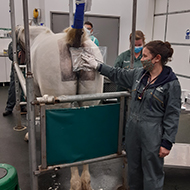
The treatment uses non-invasive heat therapy to target inoperable areas.
The Royal Veterinary College (RVC) Equine Referral Hospital has become the first clinic in the UK to offer a novel melanoma treatment for horses, precisely focused on lesions that cannot be removed through surgery.
Melanoma typically affects older, grey horses, with an estimated 80 per cent having at least one melanoma during their lifespan. It is hoped that the new therapy will improve how horses with melanoma are treated, leading to a better quality of life for those affected by the disease.
The new treatment targets melanomas affecting the salivary glands and other sensitive areas less amenable to surgery. Up to now, there has been no effective therapy option for legions in these areas.
Funded by the RVC’s Animal Health Trust, the treatment uses non-invasive heat technology (thermofield hyperthermia and intratumoral chemotherapy) to kill cancerous cells without harming the surrounding healthy tissue. The heat also helps drugs penetrate tumours and prevents DNA repair in cancer cells.
Dr Michael Heweston, a senior lecturer in equine medicine at the RVC explained: “Although thermofield hyperthermia combined with intratumoral chemotherapy is a relatively new treatment, I have been impressed with the response in the horses that we have treated thus far, and I am optimistic for the future. We will be collecting data over the coming months to report on its effectiveness.”
Eligible horses are being invited to undertake the therapy, in which they will be given three doses of the treatment under anaesthetic, one week apart. The entire procedure takes around one hour to complete and is relatively painless.
For more information, visit rvc.uk.com
Image (C) Royal Veterinary College.


 Defra has published guidance for the vet sector ahead of a proposed UK-EU Sanitary and Phytosanitary agreement.



