


Vets reiterate stark warning over delays to EU import checks
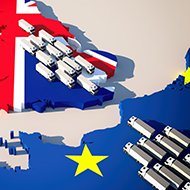
Ministers are said to be considering pushing back checks on goods imported from the EU by up to nine months.
The British Veterinary Association (BVA) has called for certainty and clear deadlines for post-Brexit health checks after it was hinted that they could be delayed for a fourth time.
In a statement, BVA senior vice president James Russell reiterated the association's stark warning over disease threats, adding that a further delay would be “incredibly ill-advised” and “weaken this vitally important protection for both animal and human health.”
The comments come after it was reported that ministers are considering pushing back checks on goods imported from the EU by up to nine months. Under current plans, the checks are set to begin on 1 July, but Prime Minister Boris Johnson said: “I’m generally in favour of minimal friction at all junctures between the UK and the EU.”
Mr Russell, who gave evidence to the Efra Select Committee non-inquiry session on import check readiness, said: “If these checks are delayed for a fourth time, there is a real risk of serious implications for animal health and British agriculture.
“Official Veterinarians working at the border are Great Britain’s first line of defence of biosecurity. Pushing these checks back even further will open the door to diseases such as African Swine Fever, which spreads rapidly and has already had a catastrophic impact on the agricultural industry and animal health in parts of Europe, Asia, and Africa."
He continued: “It would be incredibly ill-advised to delay these crucial checks again and weaken this vitally important protection for both animal and human health.
“We’ve repeatedly raised concerns about the shifting timeframes which make it impossible for the veterinary profession and food businesses to plan. Certainty and clear deadlines are needed now to ensure preparations can be made and resources can be allocated where they are most needed.”


 Defra has published guidance for the vet sector ahead of a proposed UK-EU Sanitary and Phytosanitary agreement.



