


Poultry housing measures set to end
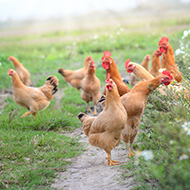
Poultry and other captive birds will no longer need to be housed, unless they are in a protection zone.
Mandatory housing measures for poultry and captive birds will be lifted on Monday (2 May), the UK's chief veterinary officers have confirmed.
The introduction of housing measures came into force in December 2021 as part of the Avian Influenza Protection Zone (AIPZ), making it a legal requirement for all bird keepers to keep their flocks indoors and to follow strict biosecurity measures.
In a joint statement, the four chief veterinary officers said that from 00.01 on Monday 2 May 2022, poultry and other captive birds will no longer need to be housed, unless they are in a protection zone, and may be allowed outside.
While the risk of bird flu has been reduced to ‘medium’ for premises with poor biosecurity, the CVOs said that the enhanced biosecurity requirements - introduced as part of the AIPZ - will remain in force as infection may still be circulating in the environment for several more weeks. All poultry gatherings will also remain banned.
Since late October, the UK has seen its largest-ever epidemic of avian flu, with more than 100 cases identified throughout the country.
Poultry keepers intending to let their birds outside are being advised to use the coming days to prepare their outside areas for the release of their birds. This will include cleansing and disinfection of hard surfaces, fencing off ponds or standing water and reintroduction of wild bird deterrents.
The four Chief Veterinary Officers said: “Whilst the lifting of the mandatory housing measures will be welcome news to bird keepers, scrupulous biosecurity remains the most critical form of defence to help keep your birds safe.
“It is thanks to the hard work of all bird keepers and vets, who have played their part in keeping flocks safe this winter, that we are in a position to take this action. However, the recent cases of avian influenza show that it’s vital that bird keepers remain vigilant for signs of disease and maintain stringent standards of biosecurity."


 Defra has published guidance for the vet sector ahead of a proposed UK-EU Sanitary and Phytosanitary agreement.



