


Course offers broad insight into all aspects relating to chickens, waterfoul and game birds.
A free online course in poultry health and welfare has been launched.
The British Hen Welfare Trust has teamed up with academics at the University of Nottingham to develop the course, available from today (16 May) on the FutureLearn website.
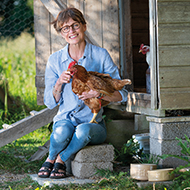
Fronted by BHWT patron and TV presenter Kate Humble, course participants will be able to access online tutorials and videos of operations to learn more about the health and welfare of this increasingly popular pet.
The course is aimed at veterinary surgeons, veterinary nurses and students, but will also be beneficial for anyone with an interest in poultry.
Kate Humble commented: “Many vets in the UK are familiar with treating more exotic species, like arachnids or lizards, as well as our regular domestic pets. But many vet practices are not familiar with treating poultry.
“Through this course, you will gain a broad insight into all aspects relating to poultry, including chickens, waterfowl, and game birds. It will enhance your understanding of the differences between the different poultry-keeping communities and give you an insight into the different approaches that may be needed with each one, whether it’s commercial rearing, show birds, or people keeping poultry as pets.”
Founder and CEO Jane Howorth added: "During the five years of training that vets receive, less than one day is dedicated to poultry whilst vet nurses don’t receive any training in this area. As pet hens become more and more popular there will be increasing numbers of keepers caring for these birds and potentially seeking advice and/or treatment from their local vet.
“This free course is available online worldwide to increase knowledge and help to improve the lives of pet poultry. The University of Nottingham is known for its poultry courses and has experience of producing successful Massive Open Online Courses (MOOCs), so we’re thrilled to have partnered with them and to be working together to deliver this course to enhance knowledge of hens among veterinary professionals.”
Topics covered by the course include basic anatomy and physiology, routine husbandry, specific infectious and non-infectious diseases, common surgical procedures, the basis of infection control, parasite control, vaccines and viruses, the difference between layers and broilers, nutrition, legal aspects and whether poultry feels pain.
Dr Robert Atterbury, an associate professor in microbiology at the University of Nottingham, said: “We are delighted to have partnered with the British Hen Welfare Trust in the development and delivery of this course. My research over the past 20 years has focussed on poultry diseases and finding new ways that they can be controlled. Despite their growing importance in agriculture, and now as companion animals, poultry receive relatively little attention in veterinary education.
“The School of Veterinary Medicine and Science at the University of Nottingham is proud to launch this fantastic, free resource for people who may need to care for backyard poultry, either as professionals or hobbyists.”
For more information about the course and to register, visit bhwt.org.uk
Image (C) BHWT.


 Defra has published guidance for the vet sector ahead of a proposed UK-EU Sanitary and Phytosanitary agreement.



