


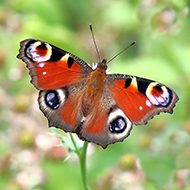
The citizen science survey aims to protect declining species.
Members of the public are being asked to help butterflies by participating in a nationwide survey designed to assess the health of the environment.
The call from Butterfly Conservation comes after research found that half of Britain's butterfly species are on the Red List and threatened, or near threatened, with extinction. However, with the the correct information and targeted action, the charity said, they can be brought back from the brink.
The annual Big Butterfly Count helps scientists understand what is happening to the nation's butterflies and therefore introduce the conservation measures required to protect them. Recent years have seen the charity save two UK species from extinction and halted the decline of many others.
Butterfly Conservation says that with the numbers of butterflies in decline, learning as much as possible about them is more important than ever.
Dr Zoe Randle, senior surveys officer at Butterfly Conservation says: “Thanks to the wonderful British public who take part in their thousands, the Big Butterfly Count is the largest natural history citizen science project involving insects in the world and provides us with a valuable snapshot of what is happening for butterflies across the whole of the UK.
"It can act as an early-warning system, letting us know how various environmental changes are impacting insects, and allows us to gather vital data from places that would otherwise be totally unrecorded.”
She added: “We really need people’s help this year to help us figure out where our butterflies are and what we need to do to save them.
Butterfly Conservation warned that it's not just the rare species of butterfly its concerned about. Some are previously common species, like the small tortoiseshell butterfly, which has declined by 79 per cent since 1976.
Dr Amir Khan, Butterfly Conservation Ambassador, and one of a number of famous faces supporting the Big Butterfly Count, said: “Spending time in nature is hugely beneficial to our mental health. Just a short amount of time spent in the natural world can alleviate stress, and connecting with nature can help us feel happier and more energised.
“Watching butterflies for just fifteen minutes can be a wonderful and calming experience. It is good for you as well as benefiting butterflies by helping Butterfly Conservation gather the important data they need to understand how to better protect these special insects. It is truly a win-win situation for all of us.”
To take part in the survey, people just need to spend 15 minutes in an outdoor space during sunny conditions and count the types and amount of butterflies they see.
The count takes place 15 July to 7 August – to find out more and to get involved, visit bigbutterflycount.org or download the free Big Butterfly Count app.
Image (C) Peacock butterfly by Mark Seale, Butterfly Conservation.


 Defra has published guidance for the vet sector ahead of a proposed UK-EU Sanitary and Phytosanitary agreement.



