


Vets call for complete overhaul of dangerous dogs law
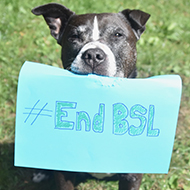
Research by Middlesex University cast doubt on the idea that breed is a cause of dog attacks.
British Veterinary Association (BVA) president Justine Shotton has called for a complete overhaul of the Dangerous Dogs Act, stating that the law “fails to properly protect the public or safeguard dog welfare”.
The BVA is one of a number of veterinary organisations and animal welfare charities calling for an urgent end to Breed Specific Legislation (BSL), which labels certain types of dogs as dangerous purely based on their looks.
Independent research commissioned by DEFRA and conducted by Middlesex University recently cast doubt on the idea that breed is a cause of dog attacks. However, the government has so far failed to include a review of BSL as part of its ongoing work on responsible dog ownership.
Speaking in advance of the 31st anniversary of the Dangerous Dogs Act (12th August), Dr Shotton said: “A complete overhaul of the 1991 Dangerous Dogs Act is urgently needed. Blanket targeting of specific breeds rather than tackling the root causes of why dogs act in an aggressive way gives a false and dangerous impression that dogs not on the banned list are ‘safe’ - this fails to properly protect the public or safeguard dog welfare.
“We are disappointed that despite the findings of last year’s independent report by the University of Middlesex, the Government has failed to include a review of breed-specific legislation as part of its ongoing work on responsible dog ownership.”
BSL was introduced to the UK following a number of serious dog attacks and bans the keeping of the pitbull terrier, fila brasileiro, Japanese tosa and dogo Argentino. The law also makes it illegal to sell, rehome or give away any of these breeds.
Members of the Dog Control Coalition - including Battersea, Blue Cross, Dogs Trust, the Scottish SPCA and the Kennel Club - claim that the law 'sentences dogs to death' simply because they look a certain way. The organisations have joined the BVA in its urgent call to end BSL.
Following the research by Middlesex University, the government set up a responsible dog ownership project to tackle the issue of dangerous dogs and identify practical opportunities for improvement.
But speaking during a debate in Westminster in June, the then DEFRA minister Jo Churchill said: “We are not willing to repeal the breed-specific provisions contained in the Dangerous Dogs Act without other changes being made. We need to walk carefully through these things and make sure that we reach the right conclusions.”
Blue Cross CEO Chris Burghes said: “Another year passes and we have seen no progress on a repeal of Section 1 of the Dangerous Dogs Act and more innocent canine lives lost. Academics, policy makers and charity experts are all in agreement this legislation has failed for the 31 years it has been in force. Section 1 dogs continue to be demonised and euthanised on looks alone.
“I hope this anniversary serves as a wake-up call to the Government to make the urgent changes that have been requested for so long, such as giving animal welfare charities powers to rehome Section 1 dogs and undertaking a review of all dog control legislation.”

 BVA has announced a new series of its Building Great Workplaces lunchtime webinars.



