


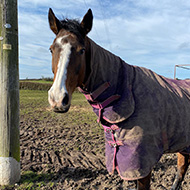
Blue Cross urges owners to get in touch if they need support.
The number of horse carers struggling to afford to keep their equine is on the rise, figures released by Blue Cross suggest.
In the first half of 2022, the national pet charity received more than 140 requests from people asking them to take in or help re-home their horse or pony. Of these, more than 70 per cent stated that personal or financial circumstances were the reason.
In contrast, just 43 of 277 intake and rehoming requests for the entire year of 2021 and 32 out of 231 requests for the whole of 2020 specifically indicated financial reasons.
In light of the escalating financial crisis, Blue Cross is urging horse owners to get in touch if they are struggling rather than let problems snowball towards potential health and welfare issues for their animals.
Annabelle Taylor, Blue Cross rehoming coordinator, said: “It is distressing to see that the number of people seeking rehoming support because of financial reasons is already more than double last year’s annual total, and we still have a third of the year to go.
“We are acutely aware that as the cost of living continues to increase, many people may be unavoidably presented with making difficult choices for their beloved horses.
She added: “We encourage them to approach us whilst their horses are still healthy rather than risk them being passed from pillar to post, potentially ending up in a welfare compromised situation.”
Blue Cross rehomes horses from its centres in Burford, Oxfordshire and Rolleston, Staffordshire, as well as through its Home Direct scheme – an initiative that has helped find homes for more than 150 horses since its launch in 2015.
Through the Home Direct scheme, the Blue Cross horse unit team assesses each horse before they get advertised on their website. Once a potential owner match has been found, the charity arranges and oversees the initial visits.
The Home Direct service is open to other equine welfare charities that don't specialise in rehoming. Any horse can be considered for the scheme, so long as they pass a health check and are not on any long-term medication.
For more support, advice or guidance about giving up a horse, email helpmyhorse@bluecross.org.uk


 Defra has published guidance for the vet sector ahead of a proposed UK-EU Sanitary and Phytosanitary agreement.



