


Pig producers welcome pork import controls
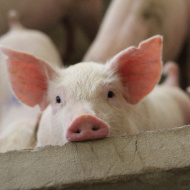
"Producers do their very best to maintain high levels of biosecurity for their individual herds, and the new controls now recognise the importance of national biosecurity to complement this" - NPA.
New government measures to limit the movement of pork and pork products into the UK to protect pigs against African Swine Fever (ASF) have been welcomed by the National Pig Association (NPA).
The controls, which came into force on Thursday (1 September), make it illegal to bring pork or pork products weighing more than two kilograms into Great Britain, unless they are produced to the European Union's (EU) commercial standards. The rules do not apply to commercial imports, which remain unaffected by the control.
It follows a risk assessment by the Animal and Plant Health Agency (APHA), which increased the risk of ASF entering the UK to medium. The report found that the most likely way the virus could enter Britain is via a member of the public bringing pork or pork products back from an ASF-affected country.
Senior policy adviser Rebecca Veale said: "We are very pleased that Government has understood the risk African swine fever poses to our national pig herd and in listening to our call for action is now significantly strengthening the protection of our borders.
"Notifiable diseases such as ASF not only compromise the health and welfare of the pigs and potentially devastate businesses up and down the country, but an outbreak would also have huge implications for our ability to trade. The risk of ASF has never been so great and the recent outbreaks linked to human movement in Italy and Germany have served as a stark reminder of just how vulnerable we are.
She added: "Producers do their very best to maintain high levels of biosecurity for their individual herds, and the new controls now recognise the importance of national biosecurity to complement this. As NPA we thank Government for recognising and addressing the risk of ASF and we will continue to work with them on this integral policy area."


 Defra has published guidance for the vet sector ahead of a proposed UK-EU Sanitary and Phytosanitary agreement.



