


Border terrier research receives funding boost
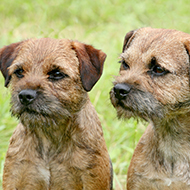
Border terriers are predisposed to gall bladder mucoceles.
Researchers are being invited to apply for a grant of up to £30,000 to support the study of gall bladder mucoceles (GBM) in Border terriers.
Practitioners, academics, and joint applications between practice and academia are welcome to apply for the funding, made possible thanks to a generous £17,000 donation from Border Terrier LifeLine founders Andrew and Wendy Mooney, with additional funding from BSAVA PetSavers.
GMB is caused by the thick deposition of gelatinous bile in the gall bladder lumen. The condition causes the gall bladder to fill with a thick mucus, which may also block the bile duct. Without being spotted, it can lead to gall bladder rupture and cause biliary peritonitis, which can be deadly.
While the root cause of GBM in dogs is unknown, some breeds appear more genetically predisposed to the condition, including Border terriers, cocker spaniels, Shetland sheepdogs and miniature schnauzers.
Andrew and Wendy Mooney said: “We knew through social media, friends and contacts that many Border terriers have suffered from, and many have lost their life to GBM, and that is what makes this so relevant.
“Such a large percentage of dogs presenting this condition at veterinary surgeries are Border terriers, and what has really motivated us to donate this sum is why should it affect a disproportionate number of Border terriers, and is there some way of reducing the number of Borders succumbing to GBM and when they do, can we improve their chances of survival and living a good quality of life after?”
They added: “We hope that by donating this sum of money, that the research on this can be taken forward, either by a different route or expanded on findings already produced.”
Sarah Williams, BSAVA PetSavers fundraising and grant awards manager, said: “To be able to offer a new grant is fantastic news for BSAVA PetSavers. We are grateful to Andrew and Wendy for their incredible donation and hope that the outcome of this research can help future cases of GBM in Border terriers”.
Grant applications will remain open until 31 January 2023, with a funding decision to be reached in October of the same year. The project must take place within the UK and must not involve the use of experimental animals.
For more information and an application form, visit the BSAVA PetSavers website.


 BVA has announced a new series of its Building Great Workplaces lunchtime webinars.



