


WWF report shares concerning statistics
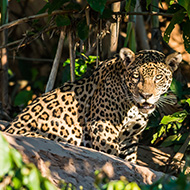
WWF calls on policymakers to transform economies to properly value natural resources.
A new report by World Wildlife Fund (WWF) has revealed that wildlife populations have seen a drop of 69 per cent on average since 1970.
In the Living Planet Report 2022, WWF shares the deeply concerning statistics to highlight the importance of taking action on reversing the loss of nature, and to address climate change.
In particular, wildlife populations in Latin America and the Caribbean have experience the worst decline, with an average decline of 94 per cent.
Carter Roberts, president and CEO of WWF-US, said: “The world is waking up to the fact that our future depends on reversing the loss of nature just as much as it depends on addressing climate change. And you can’t solve one without solving the other.
“Everyone has a role to play in reversing these trends, from individuals to companies to governments.”
In the report, the WWF identifies key drivers of biodiversity decline. These include habitat loss, species overexploitation, invasive species, pollution, climate change and diseases.
The report places particular emphasis on the need to transform economies so that natural resources are properly valued. It also states that recognising and respecting the rights, governance and conservation leadership of Indigenous Peoples and local communities is important in shaping a nature-positive future.
Rebecca Shaw, chief scientist of WWF, commented: “These plunges in wildlife populations can have dire consequences for our health and economies.
“When wildlife populations decline to this degree, it means dramatic changes are impacting their habitats and the food and water they rely on. We should care deeply about the unraveling of natural systems because these same resources sustain human life.”
The full report can be read on the Living Planet webpage.


 Defra has published guidance for the vet sector ahead of a proposed UK-EU Sanitary and Phytosanitary agreement.



