


Equine vets report rise in atypical myopathy cases
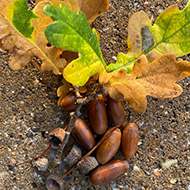
"Horses should be kept away form grazing oaks and sycamores but if no other pasture is available supplementary feed should be provided" - David Rendle, BEVA president.
Equine vets are urging horse owners to keep their animals safe around oak and sycamore trees amid a spike in cases requiring emergency treatment after eating toxic seeds.
The reminder from the British Equine Veterinary Association (BEVA) follows higher-than-usual reports from members regarding atypical myopathy and acorn toxicity cases.
BEVA president David Rendle said: “The extreme weather over the summer may have contributed to the production of greater quantities of sycamore masts and acorns than normal.
“High winds over the next few weeks will likely serve to increase the risk further. Ideally horses should be kept away from grazing around oaks and sycamores but if no other pasture is available supplementary feed should be provided. If horses that have access to sycamore seeds or acorns show signs of illness, veterinary attention should be sought immediately.”
Atypical myopathy, caused by the ingestion of sycamore seeds, can be fatal to horses. The disease may present with muscle soreness, stiffness, weakness, difficulty breathing, lethargy, muscle trembling, colic-symptoms, and brown or dark red urine.
Horses with suspected atypical myopathy should receive immediate veterinary care. Some three quarters of affected cases will die, but those that survive the initial period will often make a full recovery.
Acorn poisoning is less common, but BEVA believes the rise in cases could be attributed to the extremely dry summer and normal variation in acorn production. Signs include moderate to severe colic or colitis, lethargy, dehydration and dark urine, which can be a result of kidney failure.
In light of the reports, BEVA is advising horse owners to take practical steps to prevent the disease by limiting access to acorns and sycamore seeds. This includes identifying trees, collecting seeds and/or excluding horses from affected areas using electric fencing or stabling.


 Defra has published guidance for the vet sector ahead of a proposed UK-EU Sanitary and Phytosanitary agreement.



