


Poultry housing order announced across England
The housing order comes into force at midnight on Monday, 7 November.
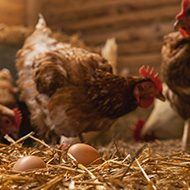
Captive birds and poultry in England must be kept inside from next week, regardless of type or size, the UK government has announced.
Chief veterinary officer Christine Middlemiss said the decision “has not been taken lightly, but it is the best way to protect your birds from this highly infectious disease.”
The order comes into force at midnight on Monday, 7 November, under which bird keepers must keep their birds indoors and follow stringent biosecurity measures to protect their flocks from the disease.
It extends the mandatory housing measures already in force across parts of East Anglia following an increase in the national risk of avian flu in wild birds to “very high”.
Since October 2021, the UK has seen more than 200 confirmed cases of avian influenza - the largest-ever outbreak of the disease. The introduction of the housing measures comes after cases were confirmed at more than 70 premises in the past month alone, and multiple reports in wild birds.
Ms Middlemiss is now urging all bird keepers across England to use the coming days to prepare, including taking steps to safeguard animal welfare, consult their vet and expand housing where necessary.
"We are now facing this year, the largest-ever outbreak of bird flu and are seeing rapid escalation in the number of cases on commercial farms and in backyard birds across England. The risk of kept birds being exposed to disease has reached a point where it is now necessary for all birds to be housed until further notice," she said.
"Scrupulous biosecurity and separating flocks in all ways, from wild birds remain the best form of defence. Whether you keep just a few birds or thousands, from Monday 7 November onwards, you must keep your indoors. This decision has not been taken lightly, but is the best way to protect your birds from this highly infectious disease.”


 Defra has published guidance for the vet sector ahead of a proposed UK-EU Sanitary and Phytosanitary agreement.



