


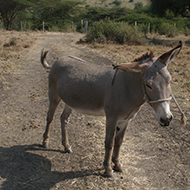
Testing identified multiple specimens contaminated with S. aureus bacteria.
The unregulated and often illegal trade in donkey skin is contributing significant and previously unrecognised risks to international biosecurity, according to new research.
The report Biosecurity Risks and Implications for Human & Animal Health on a Global Scale conducted by the Donkey Sanctuary and the International Livestock Research Institute in Kenya (ILRI) contains the findings of testing carried out on 108 donkey skin samples.
The testing identified 88 specimens contaminated with Staphylococcus aureus (S. aureus) bacteria, of which 44 were found positive for the drug-resistant MRSA variant. Three of the positive samples also tested positive for the PVL toxin, known to cause invasive necrotising diseases in humans.
The donkey skin trade is driven by the growing demand for 'ejiao' - a traditional Chinese remedy believed by some to have medicinal properties. According to the Donkey Trust, the large number of donkeys involved and unsanitary slaughter methods are creating “potentially devastating biosecurity hazards”.
Not only do the skins pose immediate health risks to people and equines, they could also lead to potential outbreaks of diseases in local, naïve equine populations, the organisation said.
Perhaps most concerning is that the donkey skin trade currently operates without adequate veterinary and biosecurity protocols. The unregulated nature of the trade also means shipments are impossible to track, and contaminated skins cannot be traced.
In light of its findings, the Donkey Trust is calling on the governments of China, Hong Kong, Vietnam and Thailand to immediately cease the importation of donkey skins, and national governments of exporting countries take immediate steps to stop the trade in donkey skins.
Donkey Sanctuary chief executive Marianne Steele said: “The global trade in donkey skins is cruel and inhumane, unregulated and unnecessary, which results in suffering for donkeys and donkey-dependent communities on a devastating scale.
"While many may choose to turn away from the direct impacts on animals and people, I would implore consumers, governments and the wider public to take notice of the risks to animal and human health.
“The global trade in donkey skins should be halted immediately. We now have evidence it is neither humane, sustainable nor safe and allowing it to continue, given the risks we have revealed, is unanswerable.
“If nothing else, the recent lessons of COVID-19, and the current outbreak of avian flu, should make us sit up and take notice of the emerging threats that zoonotic diseases pose.”


 Defra has published guidance for the vet sector ahead of a proposed UK-EU Sanitary and Phytosanitary agreement.



