


Study uncovers genetic drivers of dog behavioural diversity
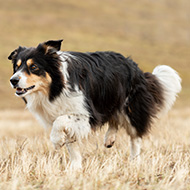
"One of the most surprising findings was that many of the genomic changes that define the major dog lineages can also be found in modern wolves" - Dr Elaine Ostrander.
Researchers at the National Institutes of Health, USA, have found that areas of the genome that are related to brain development harbour variants which may account for behavioural differences among different dog lineages.
Utilising citizen science projects with DNA samples and surveys collected from dogs and their owners worldwide, the researchers discovered that the genomic differences among dog breeds are related to the development of their nervous system.
The team mapped out the diversification of dog lineages over time, and used genomic data from over 4,000 domestic, semi-feral and wild dogs, including whole-genome sequencing to detect a subset of the variation in a genome.
Dr Elaine Ostrander, corresponding author on the study, explained: “We identified 10 major canine lineages and behavioral traits that correlate with these lineages. By looking at the most heavily selected breeds, we can see how each lineage of dog breeds is unique in its genomic variation and behavior.
“One of the most surprising findings was that many of the genomic changes that define the major dog lineages can also be found in modern wolves.
“This indicates that humans co-opted ancient variations among wild ancestors of dogs to create unique types of dogs suited for performing specific tasks.”
Although it is known that different dog breeds have distinct behavioural traits and personalities, how this occurs, and how these characteristics trace back to their genomes has been largely unknown.
Dr Ostrander continued: “To study the genomic basis of breeds, researchers typically compare different breeds with different behavior. But the difficulty with that is finding meaningful results among the variation in dog behavior.
“Instead of looking at a snapshot in time, our study mapped out how dog breed lineages diversified over hundreds of years and explains how the different breeds we see today are a result of human selection.”
The study advances the field of canine genetics in three major areas; firstly, it provides an improved model for genetic relationships among modern dogs. It also reveals candidate biological bases of canine behavioural specification, and uncovers precise molecular pathways that appear to have been repeatedly modified to produce ideal dog types.
Crucially, the researchers found that canine behavioural diversification predates modern breed formation, and that ancient non-coding variation drives the dog behaviours behind working role-related dogs.
Discussing the potential future of the study's results, Dr Ostrander said: “The results of this study may point us toward how differences in the human genome can contribute to behavioral diversity among humans.
“Further research can help us draw a stronger link between genes that are important for behavior in dogs and genes that may play a role in human behavioral conditions.”
Led by Dr Emily Dutrow, 'Domestic dog lineages reveal genetic drivers of behavioural diversification' has been published in Cell.

 BVA has announced a new series of its Building Great Workplaces lunchtime webinars.



