


Charity's plea for new feline hit-and-run legislation
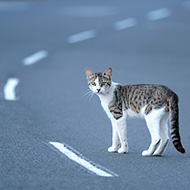
Around 230,000 cats in the UK are hit by cars every year.
A leading road safety charity is calling for a new law to bring an end to feline hit-and-run incidents.
IAM RoadSmart says the proposed legislation would make it a requirement for drivers who strike cats on UK roads to stop, report the collision to the police and seek help from a vet.
Under the Road Traffic Act 1988, drivers must report any accidents involving animals, including dogs, pigs, sheep and horses, to the police. However, the same protection does not extend to cats, and drivers are not currently required to report incidents.
The plea from IAM RoadSmart for equal treatment for cats follows a parliamentary debate on the issue in January, triggered by an online petition that garnered some 102,000 signatures. During the discussion, a number of MPs spoke in support of the appeal, including transport minister Richard Holden who acknowledged the “heartbreak caused by the loss of pets”.
Research by Petplan found that around 230,000 cats in the UK are hit by cars every year, averaging 630 every day. The same study also found that kittens are at the highest risk of being hit, with half of all cats struck by vehicles aged between seven months and two years.
Neil Greig, director of policy and research at IAM RoadSmart, believes the proposed law changes could help keep all road users, as well as cats, safer on UK roads.
He said: “Drivers are required by law to stop and report incidents where they have hit a dog, and we have witnessed cars either drive slow and with extreme caution, or stop, when a dog has run loose into the road. However, the same level of care is rarely observed when a cat runs out – perhaps because the driver knows that, legally, they do not have to stop.
“If a law requiring drivers to stop if they hit a cat were to be brought in, we believe it could strengthen driver vigilance and responsibility overall - meaning the benefits of the legislation will stretch far beyond the protection of cats.”
Mandy Hobbis, co-founder of feline traffic accident group, Cats Matter, added: “Updating this law simply boils down to minimising suffering and saving cats' lives. Thankfully, many drivers already do the right thing and stop their vehicle to tend to a cat they have run over, regardless of the legislation being in place. However, there are also drivers who sadly need the threat of punishment to act in such circumstances.
“It simply can’t be right that drivers can hit a cat and legally leave them alone, scared, or worse, left to die. Like dogs, cats are loved members of the family for millions of households up and down the country, so we see no reason why sad instances of the nation’s beloved cats being run over on the road should not be treated in the same way.”


 BVA has announced a new series of its Building Great Workplaces lunchtime webinars.



