


Vets collaborate for giraffe’s dental examination
Anaesthetising an 800kg giraffe required a team of specialists.
An expert team of over 20 veterinary surgeons, veterinary nurses and zookeepers have collaborated to anaesthetise and examine a giraffe with unusual face swelling.
The collaboration, including specialist veterinary surgeons from the Hospital for Small Animals and Dick Vet Equine Hospital, provides a case study for anaesthesia and veterinary procedures on adult giraffes.
Gilbert, an eight-year-old giraffe from Edinburgh Zoo, required examination after a large swelling developed on the side of his face. The challenge of anaesthetising an 800kg giraffe required specialists in anaesthesia, and in equine dentistry and surgery, from the Dick Vet Equine Hospital.
The team also had assistance from experts at Chester Zoo and Copenhagen Zoo.
Following extensive plans, anaesthetising Gilbert took less than an hour and ran smoothly for everyone involved. One team monitored the giraffe, one team examined his mouth and one team trimmed his hooves and provided limb massages to promote circulation throughout the procedure.
While Gilbert was under anaesthesia, the Dick Vet Equine Hospital’s team was able to thoroughly examine his mouth, teeth and gums.
Mattie McMaster, American and European specialist in equine surgery at Dick Vet Equine Hospital, said: “We determined that the cause of Gilbert’s facial swelling was food packing in his right cheek, which we were able to remove. It was a massive team effort and the standard of care provided to Gilbert by everyone involved was exceptional.”
Neither the visual examination or the X-rays revealed a clear cause for the food build-up in Gilbert’s cheek. However it is suspected to be behavioural since, after recovering, Gilbert was soon refilling his cheek pouch with food.
Gilbert has made a smooth recovery from the procedure, and there are no signs that he is experiencing pain or discomfort. Keepers will now aim to improve Gilbert’s oral hygiene by regularly flushing his cheek pouch with water.
Image © RZSS

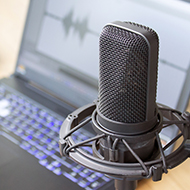
 Two independent vets have launched a podcast to help owners strengthen their bond with pets. Dr Maggie Roberts and Dr Vanessa Howie, who have worked in both veterinary practice and major charities, are keen to use their experience to enable people to give pets a better life.



